MIM vs. Powder Metallurgy: How Injection Molding Compares With Press-and-Sinter
Updated 3 November 2026 · CSMFG technical guides
Metal injection molding is a type of powder metallurgy. In manufacturing conversations, “MIM vs. powder metallurgy” usually means comparing MIM with conventional die-pressed, or press-and-sinter, powder metallurgy. Both begin with metal powder and use sintering, but they form the initial shape differently.
Watch: MIM vs. Press-and-Sinter
How do the two processes differ?
MIM is a powder-metallurgy process that injects a flowable powder–binder feedstock into a mold; conventional press-and-sinter compacts a powder blend in a rigid die. Both use sintering, but the forming mechanism changes tooling access, geometry and the removal stage. Conventional PM lubricants should not be confused with a MIM binder backbone.
For example, CSMFG's SS304L Holder, 6.6 g/cm³ and 45 HRB, follows the conventional-PM category, while the 17-4PH H900 Cam Lever follows MIM. The November 2026 examples show why material, final condition and secondary features must stay attached to the chosen route.
| Decision | MIM | Conventional press-and-sinter |
|---|---|---|
| Forming | Powder–binder feedstock flows into a mold. | Punches compact a powder blend in a die. |
| Geometry | Cores or slides can form multidirectional features. | Pressing and ejection directions constrain features. |
| Removal stage | Primary debinding plus residual-binder removal. | Lubricant removal in the selected furnace route. |
| Final acceptance | Alloy, thermal condition and component requirements. | Alloy, density distribution and component requirements. |
First identify the drawing's forming direction and secondary features. Then compare the complete finished routes.

Which process is better for a gear or a bearing?
A relatively flat spur gear with a constant profile and manageable steps is a natural press-and-sinter candidate. A small gear with a complex hub, side features and a shape that would require multiple machining setups deserves a MIM comparison. Neither geometry guarantees a winner: tooth strength, density, tolerances, load cycles and quantity must be checked.
A bearing designed to hold lubricant in interconnected pores is a different case. Controlled porosity can be a functional advantage of conventional PM. A high-density MIM component may be the wrong choice if the intended lubrication mechanism depends on open porosity.
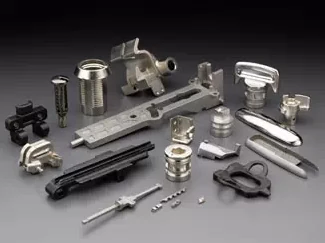
Is MIM always stronger than pressed powder metal?
No. Strength depends on alloy, density, pore distribution, heat treatment and testing. A high-density MIM part may outperform a lower-density pressed part in a particular comparison, but a general strength ceiling for all press-and-sinter products is misleading. Compare the required material condition and actual qualified test results, including fatigue where relevant.
What should be compared in a quote?
A process comparison is a quotation exercise using the same finished requirement on both sides. Match the drawing revision, material or performance requirement, quantity, heat treatment, finish and inspection. A side hole that is molded with a slide and the same hole made by drilling carry different tool and recurring-operation costs.
For example, the CSMFG Cam Lever reference is RMB 2.40 above 2,000 pieces, while the Holder / Halter reference is RMB 4.40 above 10,000 pieces. According to the November 2026 factory information, those are different parts in 17-4PH H900 and SS304L respectively. Their price difference cannot measure a manufacturing-process saving. First request a same-drawing comparison with one-time tooling and qualification separated. Then include yield, machining, inspection, maintenance and the expected lifetime quantity. The MIM cost guide provides the illustrated examples and break-even method, while the secondary-operation guide helps identify operations omitted from an unfinished-piece price.
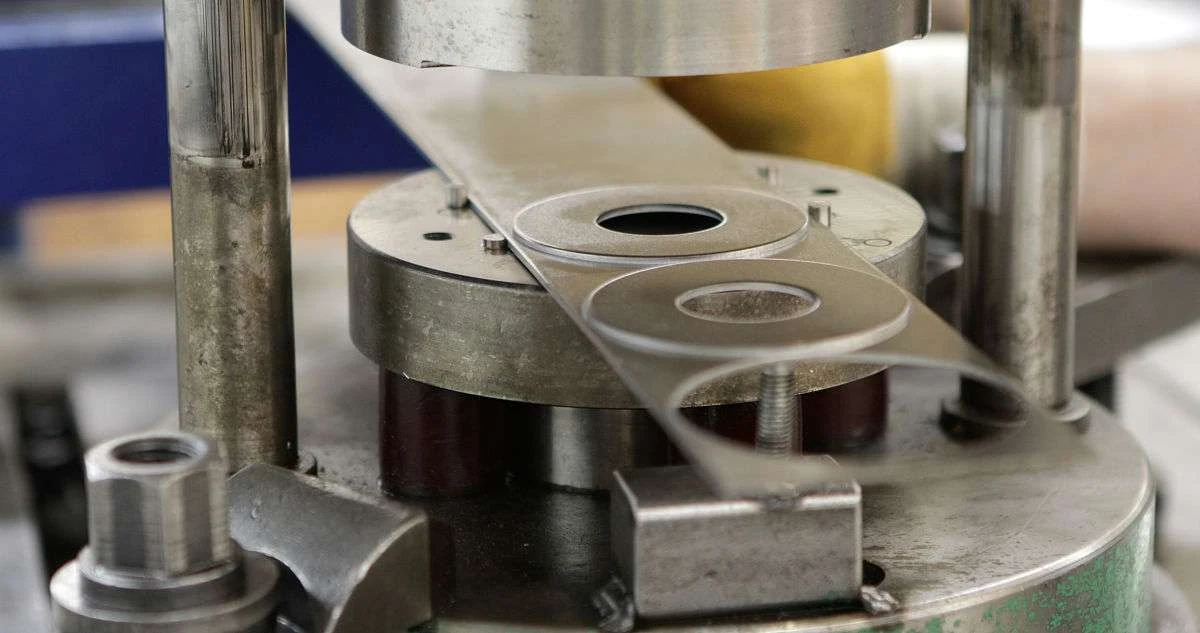
How should the shape be evaluated?
Imagine two parts with equal mass. Part A is a flat ring with an axial bore and no side features. Part B is a compact latch with a cross-hole, contoured arm and a recessed feature.
Part A may be easily ejected from a press die. Part B is more likely to need side machining in a conventional die route and therefore merits an injection-mold assessment. These are screening examples; the actual drawing and load requirements decide the result.
Ask each supplier to mark the pressing or mold-opening direction and list every feature requiring a secondary step. Also compare green-part fragility, furnace loading, inspection and the ability to hold the functional datum scheme. These details explain cost and risk more clearly than a generic process ranking.
Can a part change process after prototyping?
A prototype made by machining can be redesigned for MIM or press-and-sinter, but the manufacturing change requires a new qualification. A machined prototype can establish assembly geometry; it does not demonstrate molded feedstock flow, pressed density gradients, sintering distortion or production fatigue performance. For example, a cross hole made easily by drilling may need a mold slide, secondary machining or a design change.
Compare the same drawing, material condition and acceptance tests for both routes. Include tooling, samples, finishing and production yield in the decision before relying on a prototype price.
What do real CSMFG PM and MIM examples show?
The CSMFG Holder and Cam Lever show two commercial powder-metal routes with different specifications. The Holder / Halter uses conventional PM and is specified as SS304L to MPIF Std. 35, with 6.6 g/cm³ density and 45 HRB hardness. The Cam Lever uses MIM and is specified as 17-4PH H900. According to CSMFG's November 2026 part information, the reported prices are RMB 4.40 above 10,000 Holder pieces and RMB 2.40 above 2,000 Cam Lever pieces.
The two prices describe different parts; they do not measure a process saving. The Holder drawing includes two M6 thread callouts, while the Cam Lever detail calls for a drilled pivot feature. Review how each feature is formed or machined, which final condition is required and what inspection is included. The illustrated price cases provide the drawings and product photos. A same-part comparison still needs matching geometry, quantity, material requirements and finishing.
MIM vs. press-and-sinter questions
Is metal injection molding a type of powder metallurgy?
Metal injection molding is a powder metallurgy process: MIM molds fine metal powder mixed with a temporary binder, removes the binder and sinters the shape. Conventional press-and-sinter instead compacts a powder blend in a rigid die before sintering. The European Powder Metallurgy Association describes MIM as a branch of powder metallurgy.
For example, an oil-retaining bearing may use controlled connected pores, while a complex small latch may merit a MIM assessment. Neither route is automatically better without comparing material, geometry, volume and qualified performance.
Which is better for a part with a side hole?
A side hole can favor MIM when a mold slide or core forms the feature economically at the required volume. Conventional press-and-sinter may instead use secondary drilling because the hole crosses the pressing direction. Neither choice is automatic: a slide adds tool complexity and maintenance, while drilling adds per-part handling, burr removal and inspection.
For example, compare the total cost of a molded side hole with the cost of drilling the same hole in a press-friendly ring. Use the same drawing, datum scheme and acceptance criteria for both quotes.
Related reading: Learn the press-and-sinter process, review MIM design guidelines, and compare MIM costs.
Discuss a drawing with CSMFG’s powder metallurgy and MIM team.
Include post-sinter secondary operations when comparing the two finished-part routes.