Powder Metallurgy Secondary Operations: What Happens After Sintering?
Updated 3 November 2026 · CSMFG technical guides
Powder metallurgy secondary operations are treatments or finishing steps used to bring a sintered part to its final requirements. They include sizing, machining, deburring, heat treatment, impregnation, joining and surface treatment. The right route depends on the drawing and service conditions; a part that already meets its requirements may need no additional processing beyond inspection and protection for shipment.
This guide focuses on conventional press-and-sinter parts, with notes for metal injection molding (MIM). For the forming and furnace stages, start with the powder metallurgy process. For coatings and corrosion protection, see surface treatment of powder metal parts.
Watch: PM Secondary Operations
Which secondary operation solves which problem?
A secondary operation is a selected step that closes a gap between the sintered component and its final requirement. First identify the characteristic to change; then select the operation and its inspection stage. For example, CSMFG's Holder drawing calls out M6 threads, while the 17-4PH H900 Cam Lever detail calls for a drilled pivot feature.
| Required change | Operation to review | Final acceptance question |
|---|---|---|
| Closer fit | Sizing or machining. | Which dimension and datum? |
| Transverse hole / thread | Drilling, milling or tapping. | Access, burrs and gauge method? |
| Material condition | Alloy-specific heat treatment. | Hardness, distortion and relevant properties? |
| Stored lubricant | Oil impregnation. | Pore access and lubrication function? |
| Connected leakage | Compatible resin impregnation. | Final fluid, pressure and leak limit? |
| Surface protection | Suitable preparation and finish. | Coverage, fit and service performance? |
According to CSMFG's November 2026 information, these operations are planned around the actual substrate and drawing. The MIMA secondary-operation overview supplies additional MIM context. Include the selected steps in the finished-part quotation.

What is the difference between sizing, coining and repressing?
Sizing is a die operation used mainly to calibrate selected dimensions after sintering. Coining uses tooling to create or refine local surface detail. Repressing is a broader term for applying pressure again, potentially to alter density as well as shape. These terms overlap in practice, so the purchase specification should describe the required result rather than rely on a process name alone.
A sized outside diameter does not establish the capability of an unrelated cross hole or a flatness requirement. Review the contact surfaces, pressing direction, wall thickness and risk of cracking. Ask whether the route requires subsequent annealing, heat treatment or another sintering step. The EPMA press-and-sinter overview discusses sizing and coining within the wider process.
When is machining still needed after powder metallurgy?
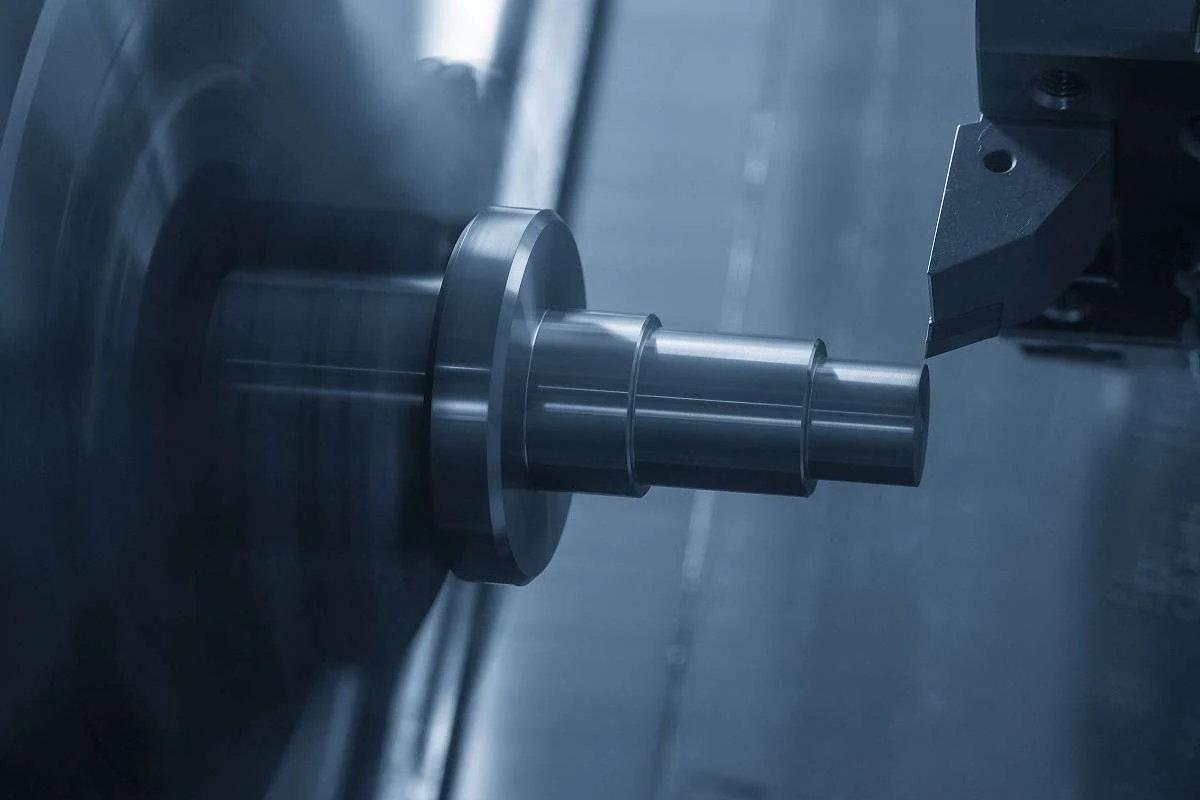
Machining is useful when a feature is difficult to form or eject, when a selected dimension needs additional control, or when a sealing or mating surface needs a specified finish. Cross holes, internal threads, undercuts and reference faces are common design-review candidates. The economical approach is to machine the surfaces that need it, with an allowance and fixture strategy defined before tooling is finalized.
Residual pores make a sintered surface different from a wrought surface of similar chemistry. Discuss cutting conditions, tool wear, burr removal and cleaning with the manufacturer. A visually smooth cut does not prove that a porous part is leak-tight. For an oil-retaining bearing, machining and cleaning also need to preserve the intended lubricant-storage function rather than treat every pore as an unwanted defect.
How does heat treatment affect the final part?
Heat treatment changes the material condition; it does not merely add a hard surface. A qualified route may use quenching and tempering, carburizing, carbonitriding, induction hardening or another treatment suited to the alloy. The necessary core strength, case condition and toughness should be specified together. Sinter hardening, where appropriate, uses cooling from the sintering cycle and is different from a separate later hardening operation.
Porosity affects interaction with process atmospheres and liquids. Do not transfer a wrought-steel furnace or quench recipe solely because the chemical designation looks similar. Measure the final dimensions after the treatments that can change them, and agree which surfaces can receive corrective machining. Höganäs' research on heat treatment of PM steels describes why the material and route must be considered together.
How do oil impregnation, resin impregnation and infiltration differ?
Impregnation is a way to introduce a functional liquid or sealant into accessible pores; metal infiltration uses a compatible metallic phase in a thermal route. The intended result distinguishes the operations. Oil supports lubrication, a cured resin can seal connected paths, and metal infiltration changes the material system and resulting properties.
First decide whether the pore network must remain useful for lubricant storage or become a barrier to a specified fluid. Then review the chosen material's compatibility with machining, heat and finishing. For example, a porous bearing and a leak-sensitive housing need different objectives even when both use an impregnation step. CSMFG's post-sinter note describes atmospheric or vacuum-assisted impregnation; the November 2026 confirmation establishes the documented capabilities. Henkel's process explanation describes resin sealing with removal of excess material, washing, rinsing and curing. That external route is context, not a claim that every PM component uses a particular branded sealant or cure cycle.
How should the operations be sequenced?
A useful route starts with the final acceptance criteria and works backward. Identify which operations change dimensions, which introduce oil or other residues, and which surfaces must remain exposed. Machining, heat treatment, impregnation and coating cannot always be placed in any convenient order. A later cut can expose previously sealed pores, while a coating can change a carefully sized fit.
- Mark the assembly datums, critical dimensions and functional surfaces.
- Identify the material condition and any required thermal processing.
- Plan sizing, machining and deburring with suitable allowances.
- Agree cleaning, pore treatment, masking and final surface protection.
- Inspect after the operations that can change the accepted characteristic.
This is a planning framework, not a mandatory route. A self-lubricating bearing, a plated bracket and a hardened gear need different sequences. Have the manufacturer confirm the complete route and identify any outsourced step that affects acceptance.
How would a bearing route differ from a plated housing route?
A bearing route is designed to preserve the pore and lubricant function, while a plated housing route must address preparation, coverage and any sealing requirement. The two components can therefore need different machining, cleaning and impregnation sequences. Using the same generic “finish” instruction for both can defeat the intended function.
For example, machining an oil-retaining bearing should be reviewed for its effect on the surface and lubricant access. A housing with a machined sealing face may expose connected pores after an earlier resin treatment. First identify the finished function and the surfaces changed by cutting. Then decide whether impregnation belongs before or after that operation and when the final test is performed. According to CSMFG's November 2026 factory confirmation, the source post-sinter operations are available for component-specific planning. The supplied SS304L Holder and 17-4PH H900 Cam Lever establish separate substrate examples; neither description specifies a bearing lubricant or a pressure-housing qualification. See the finish-system guide.
Can secondary processing repair a defective sintered part?
Some dimensional or surface conditions can be corrected within an approved rework plan. Coating, polishing or sizing should not be assumed to repair a crack, an inclusion or inadequate particle bonding. First determine whether the problem is cosmetic, dimensional or structural, then establish whether the proposed correction restores the required function.
The defect examples discussed in this series show why this matters: surface marks can be connected to powder agglomeration, tool contamination or lubricant removal before the coating stage. Inspect the part before and after finishing and keep the material and furnace records traceable. If the defect already exists before coating, changing only the coating bath will not address its origin. See the sintering investigation guide for upstream checks.
What should a secondary-operations RFQ include?
Send a 3D model and drawing, material and final condition, production quantity, assembly datums, critical dimensions, edge requirements and the intended environment. State whether dimensions apply before or after coating. Include a leakage or corrosion requirement only with the applicable test conditions and acceptance criteria, rather than writing “no corrosion” or “no leakage” without a test definition.
Ask for the route and inspection stages with the quote. Identify machining allowances, finishing thickness, masking zones, cleanliness and packaging requirements. Compare the cost per accepted finished part, including inspection and secondary work. The MIM cost guide explains the same accepted-part principle for a different forming route.
Which post-sinter operations can CSMFG provide?
CSMFG's documented post-sinter capabilities include sizing, coining, repressing, selected machining, material-specific heat treatment, impregnation and surface finishing. The original post-sinter note distinguishes their purposes: sizing improves selected dimensions and finish; repressing can alter density; coining changes local shape. Repressed parts may need resintering or annealing, depending on the route. These are separate operations rather than interchangeable names for polishing.
The note specifically identifies transverse slots, transverse holes and faces requiring accurate axial dimensions as machining candidates. For example, the CSMFG Holder drawing includes two M6 thread callouts, while the 17-4PH H900 Cam Lever detail explicitly calls for a drilled pivot feature. First define the functional feature and final condition, then plan the machining, deburring and inspection sequence. The two illustrated part cases connect the operations discussion to actual supplied drawings and prices. Agree the precise operation scope for the quoted component.


How do substrate, heat treatment and pore treatment fit together?
A post-sinter route is a sequence selected for the substrate and final function. CSMFG's source documents describe quenching, tempering, annealing, normalizing, carburizing, nitriding and carbonitriding where compatible with the material. The supplied 17-4PH H900 Cam Lever gives a specific final-condition example; the SS304L Holder, 6.6 g/cm³ and 45 HRB, is a separate component with different requirements. Do not transfer one component's treatment to the other by default.
The post-sinter note also describes oil impregnation for lubrication and resin or varnish impregnation for protection, using atmospheric or vacuum-assisted routes as applicable. A later cut can expose pores, while heat treatment or a coating can alter dimensions and residues. First identify the final function; second decide the operation order; finally inspect after the operations affecting the accepted characteristic. The surface-treatment systems explain pore sealing, coverage and masking considerations. No thickness or leak-test result was supplied for either photographed part.
Secondary-operations questions
Do all powder metallurgy parts need machining?
No. Some parts meet their requirements in the as-sintered condition. Machining is selected when a feature, fit or surface needs it. A ring with an axial through bore may be press-friendly, while a transverse threaded hole may justify secondary drilling and tapping. Tool access, the selected alloy, edge condition and inspection requirements still need review. Compare a selectively machined route with the actual assembly need rather than assuming every surface needs a cutting operation.
Does a higher density remove the need for impregnation?
Higher bulk density is not the same as proof that every connected leakage path is closed. A density result averages the tested volume, while impregnation addresses accessible pore paths and a functional leak test checks the actual finished component. An oil-retaining bearing presents the opposite objective: closing the useful network may remove its lubrication function.
For example, CSMFG's SS304L Holder is specified at 6.6 g/cm³ and 45 HRB. The November 2026 part information does not assign a pressure-tightness requirement or resin system to that component. First define the fluid, pressure, temperature and accepted leakage where sealing matters. Then review final machining, pore treatment and the test stage. The source copper case's 100–150 µm cavities illustrate local defects that an average number alone does not describe. Do not select impregnation simply to make a density figure look better; select it for the required pore function and verify the final route. The sintering guide explains the density-versus-local-structure distinction.
Related reading: Powder metallurgy materials, MIM shrinkage and tolerances, and surface-treatment selection.
Send your drawing and finished-part requirements to CSMFG's powder metallurgy and MIM team for a process-route review.